The days are getting shorter and the holidays are rapidly approaching, which can send us into a frenzy as we try to accomplish so much before the end of the year. But this shift into winter is the perfect time to pause and give thanks for things in our lives we might otherwise take for granted, like the vast outdoor landscapes across the state that offer so many wonderful things to do in North Carolina.
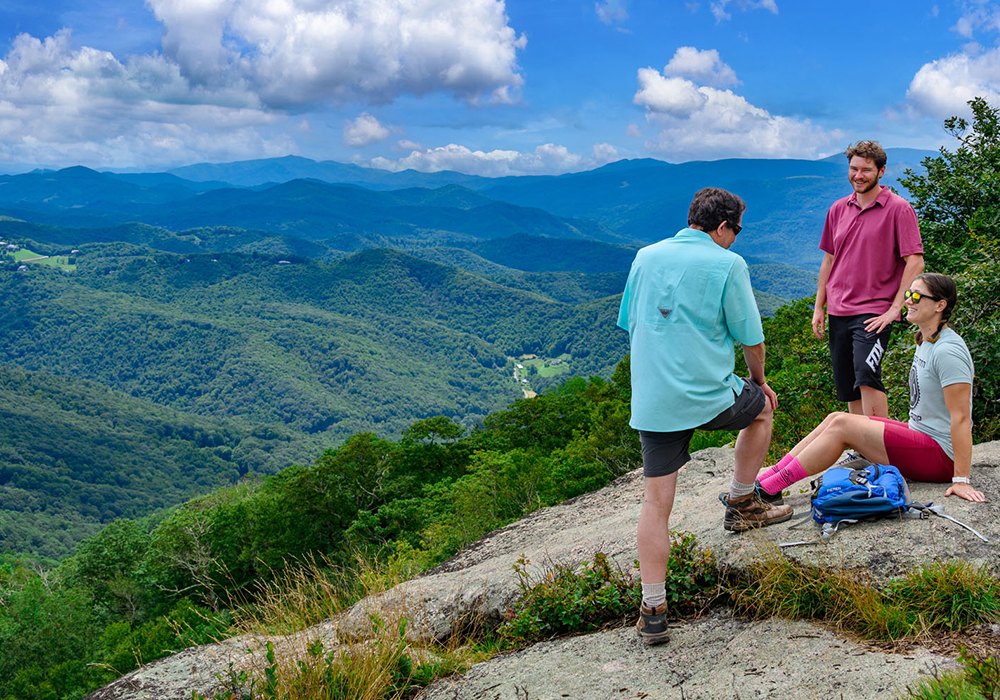
The mountains, wetlands, rivers and beaches of the Tarheel State provide us with so many fun outdoor activities throughout the year, whether it’s the quick and accessible escape from city life on the Little Sugar Creek Greenway, which connects a series of parks through the heart of downtown Charlotte, or the quiet solitude found deep inside Linville Gorge Wilderness (shown above), which protects one of the deepest gorges east of the Mississippi. Or maybe you appreciate our state’s rugged landscape because it gives you the chance to push yourself out of your comfort zone, like climbing the 120-foot granite cliffs at Pilot Mountain State Park. Regardless of how you enjoy the outdoors, take a moment to reflect and express gratitude for how NC’s wild side has enriched our lives this year.
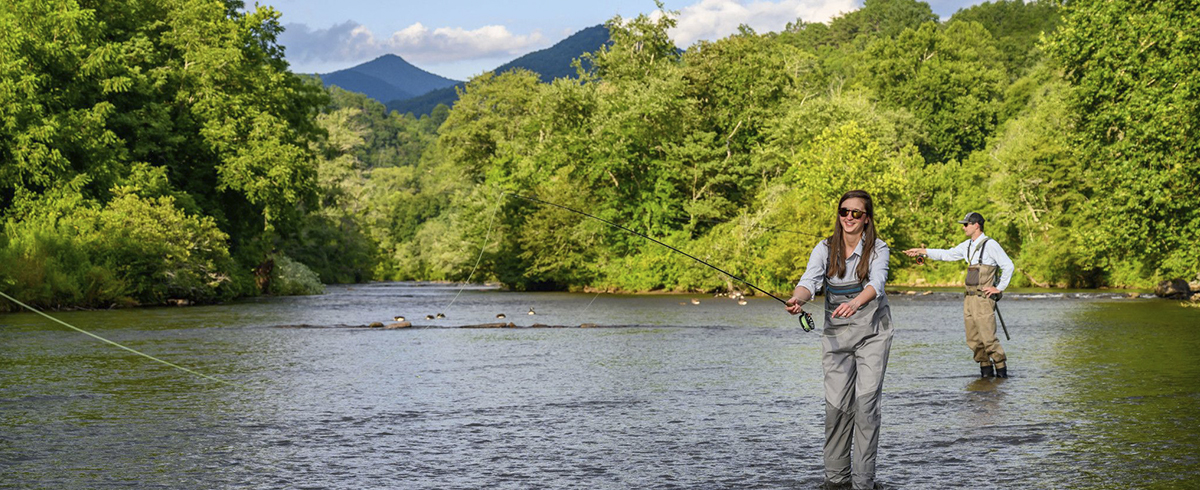
The professionals that guide us through North Carolina’s wild places deserve a nod of thanks as well. Guides like Dave Stelling at High Country Guide Service, who will not only teach you how to catch a wild trout in the depths of North Carolina’s High Country, but he’ll underscore your adventure by relaying the key principles of river stewardship, like packing out everything you brought into the river with you, even that discarded fishing line from when you snagged your hook on a tree, which can entangle birds, turtles and fish if left in the wild. Professional guides like Stelling add layers of cultural significance and stewardship to every adventure, deepening the value of your time in the woods.
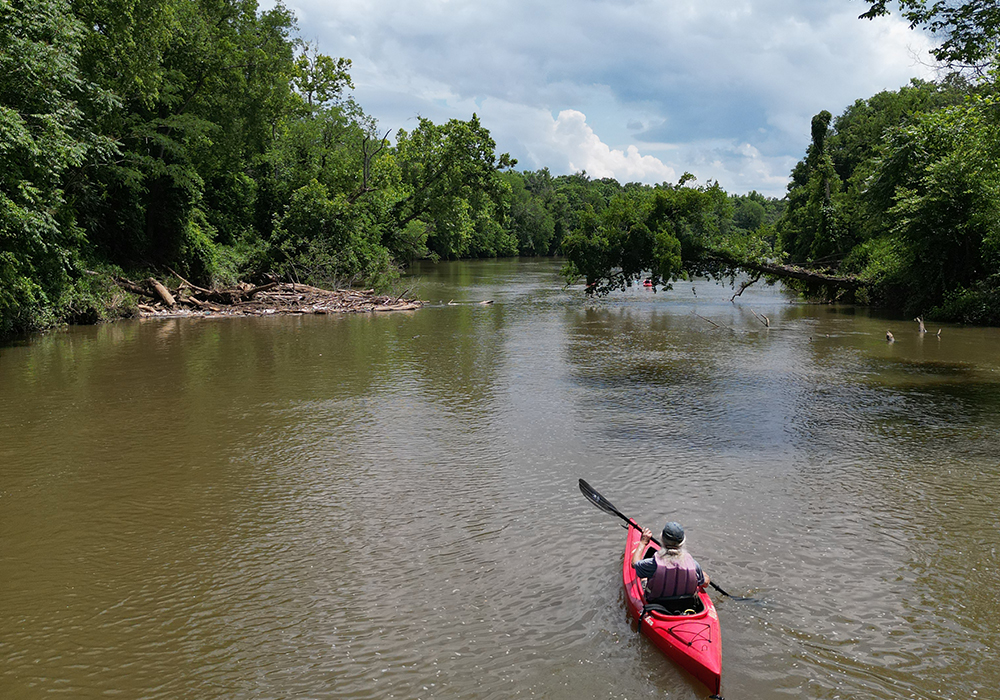
Speaking of stewardship…no note of thanks would be complete without mentioning the stewards that preserve our most cherished resources. All across the state, groups work tirelessly to make sure the peaks we hike and rivers we paddle are pristine not just for us to enjoy, but for future generations too. We’re fortunate to have groups like the Watershed Association of the Tuckasegee River in Swain County, which works year-round to monitor water quality and restore the river’s habitats so we can all fish, swim and paddle the beautiful Tuck.

Daylight hours are shorter as we shift away from daylight savings, which gives us an opportunity to Plan Ahead and Prepare for a new season of adventure. Hiking in North Carolina later in the day is a great way to visit a popular trail while avoiding times of high use, which helps disperse the impact on the resource. Meanwhile, being prepared for that hike by packing a headlamp with fresh batteries and the proper layers to keep you warm in the cooler weather will help keep you safe and allow you to better accomplish your trip goals without having to rely on outside help.

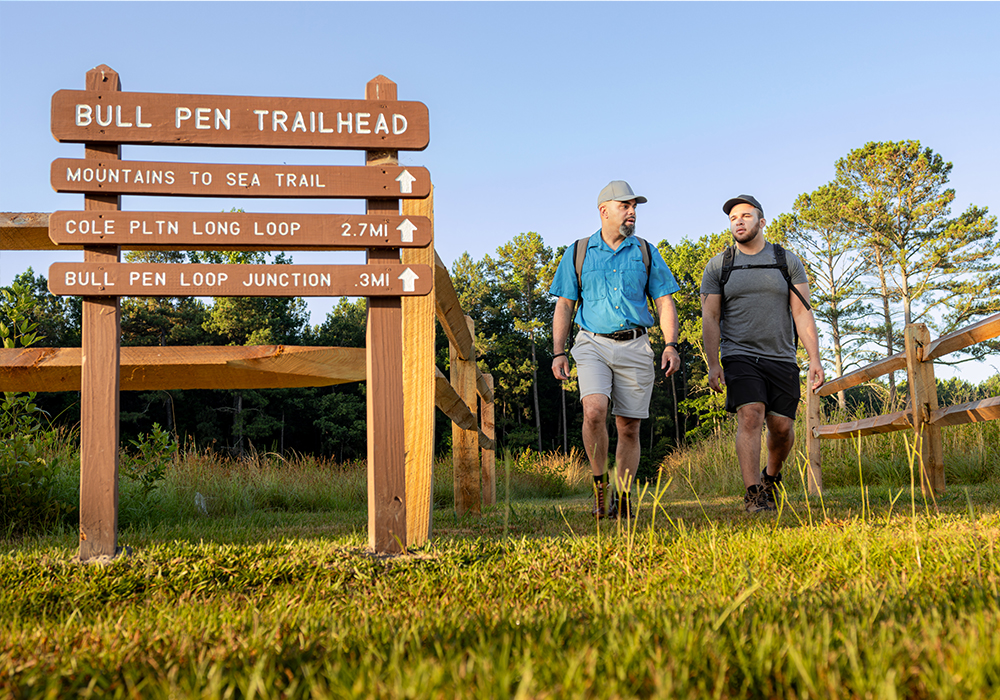
We’ve had the chance to celebrate National Take a Hike Day this month, which means certain hiking trails in NC, like the Mountains to Sea which runs for 1,200 miles across the state, might have more visitors than usual. Respecting other adventurers protects the quality of their experience. Give other parties enough space on the trail so they can enjoy the landscape on their own terms, and speak softly to allow the sounds of nature to fill the space.

Fall foliage is coming to an end across North Carolina, but the season isn’t just about ogling our colorful canopy. Autumn is an important season for local wildlife too. Elk are engaging in annual mating rituals in the Smokies, whales are migrating off the coast and multiple species of birds are migrating throughout the state. Observing animals from a distance and storing your food in a safe place that’s out of reach of curious creatures, helps preserve the wildlife’s natural activities and reliance on wild food, which ultimately these species that we love to see safe.

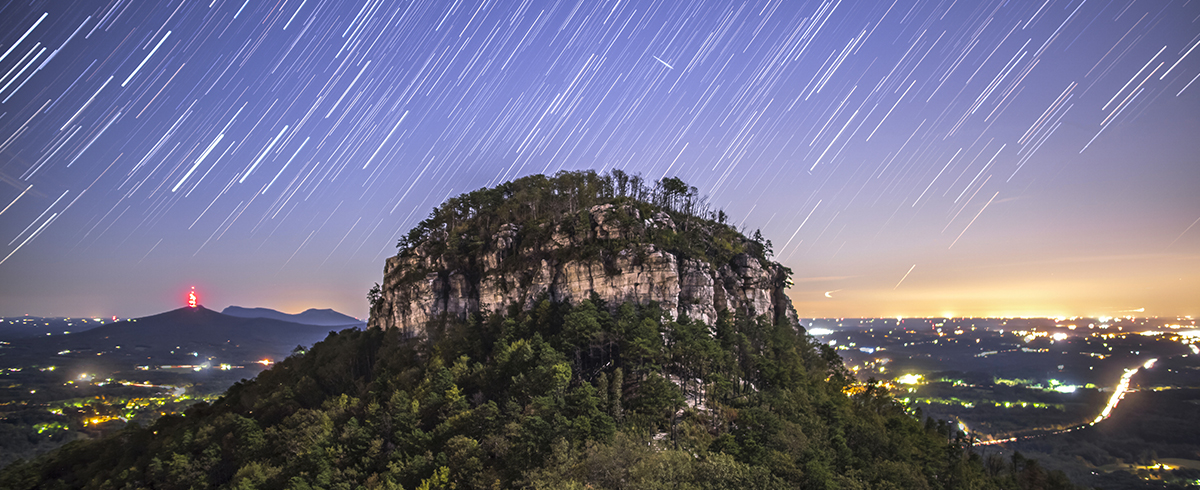
November brings opportunities for night hiking and stargazing.
Be sure to plan ahead and prepare for these adventures by wearing layers and packing a headlamp.
Hickory has built and preserved places where everyone can get outside and make memories year-round, like the 10+ mile Hickory Trail, which connects downtown, neighborhoods, parks and waterfronts in one continuous route for walkers, runners, cyclists, skaters and mobility device users. Glide past public art, roll through leafy green spaces, or step onto the Riverwalk’s ADA-accessible boardwalk for sweeping lake views. The Hickory Trail invites everyone to explore at their own pace.
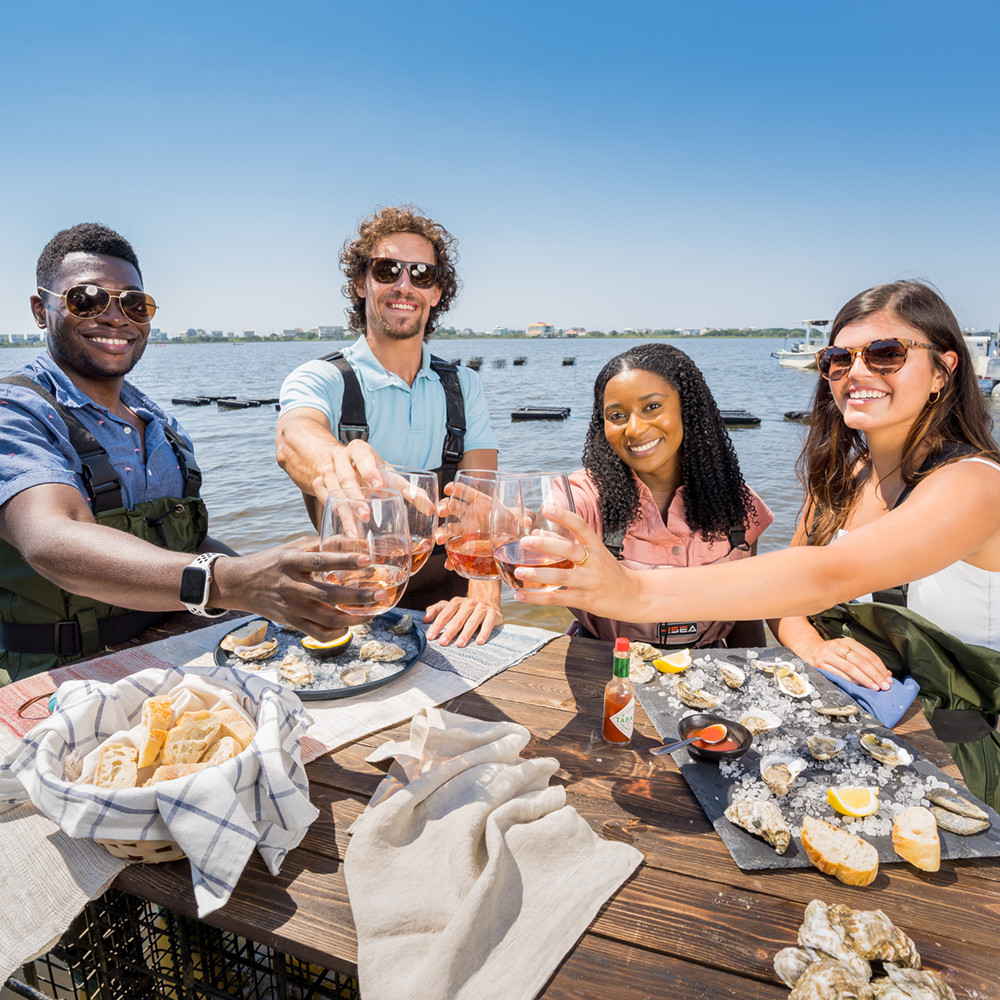
Oysters are one of North Carolina’s greatest delicacies, and the NC Oyster Trail features more than 90 sites to visit across the state, from seafood restaurants in Charlotte to shellfish farms along the coast. Touring an oyster farm gives you a chance to taste buttery North Carolina oysters and also learn about the mollusk’s environmental importance to the state. On a tour with Coastal Eco Adventures, for instance, you’ll learn oyster reefs improve water quality, provide fish habitat and protect our shorelines from erosion. One stewardship activity you can take on personally is recycling your shells, which are essential to oyster reef creation on NC’s coast.
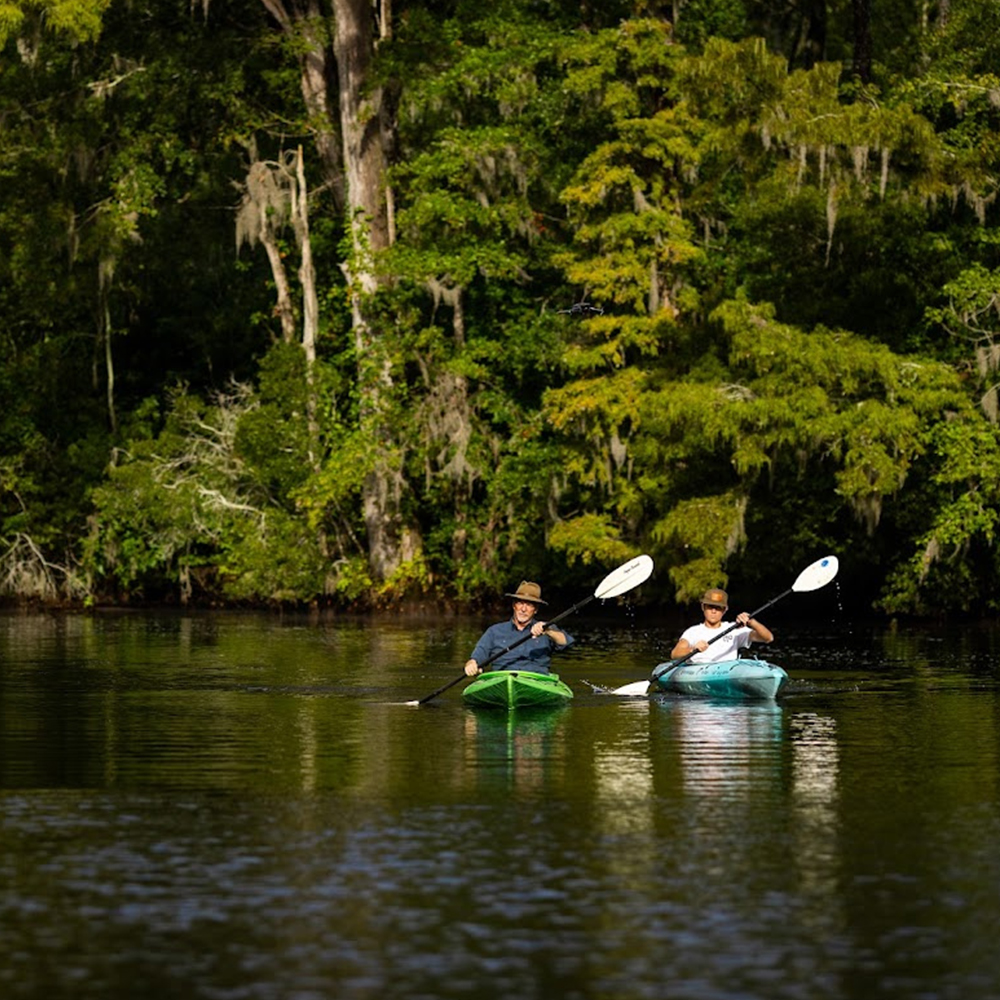
On the Roanoke River State Trail in Eastern North Carolina’s Martin County, the languid pace of the Roanoke River is complimented by a network of platform and treehouse campsites offering a sustainable and accessible adventure. A shining example is the River Landing Camping Platform in Williamston, which is a fully accessible riverside retreat unlike any other on the trail featuring a screened, treehouse-style platform and nearby restrooms and showers, all connected by a scenic boardwalk with accessible fishing rails overlooking the Roanoke River Wetlands. Click the button below to learn more about the partnership between Explore Martin County and Roanoke River Partners, Inc.
The mountainous Swain County takes pride in protecting its natural beauty. Groups like Swain Clean, for instance, rallies volunteers for seasonal cleanups that keep roadsides, trails, and river access points litter-free. After Hurricane Helene, Swain Clean organized a county wide debris clean up initiative that mobilized 90 volunteers to clear three miles of the Tuckasegee River of hurricane debris. Meanwhile, local groups such as the Watershed Association of the Tuckasegee River work year-round to monitor water quality, restore habitats, and engage the community in preservation.
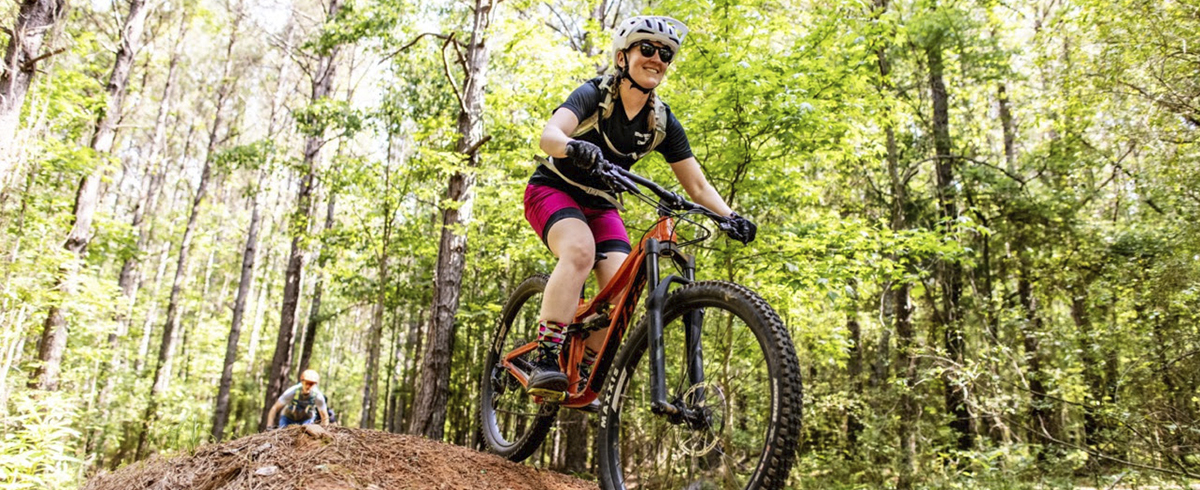
Laura Blythe is the founder of 7 Moons MTB , which leads mountain bike trips on the Fire Mountain Trail System on the Qualla Boundary, the ancestral homelands of the Cherokee. Blythe considers the mountains to be part of the Cherokee’s story and culture, and guiding mountain bike trips gives her a chance to impart that sense of place to others.
Tell us about 7 Moons MTB.
Blythe: I started 7 Moons MTB to help make mountain biking more accessible to everyone in our community, offering free mountain biking programs and gear to help folks try out the sport without barriers. I also lead cultural rides Fire Mountain Trails, giving guests a chance to experience Cherokee culture on the saddle surrounded by nature.
Why are Outdoor NC Leave No Trace (LNT) principles important to you?
Blythe: Stewardship is tied to who we are as Cherokee people. Practicing Outdoor NC Leave No Trace is about caring for the land so it can continue to provide for all of us for generations to come. Every ride is a chance to help others build that same connection. When you love a place, you take care of it.
How do you integrate stewardship into your guiding?
Blythe: We emphasize “Leave What You Find.” I share stories about the Cherokee Homeland’s significance and folks pause before pocketing a pretty rock or flower. Seeing that shift, when they realize they’re not just in a forest, but in a living piece of Cherokee history, is powerful.
Join the movement to preserve and protect North Carolina’s beloved outdoor spaces and you’ll be entered to win a ENO double nest hammock and hanging straps! Together we can preserve our beloved outdoor spaces for generations to come. Click to learn more.