 Remember the pfds
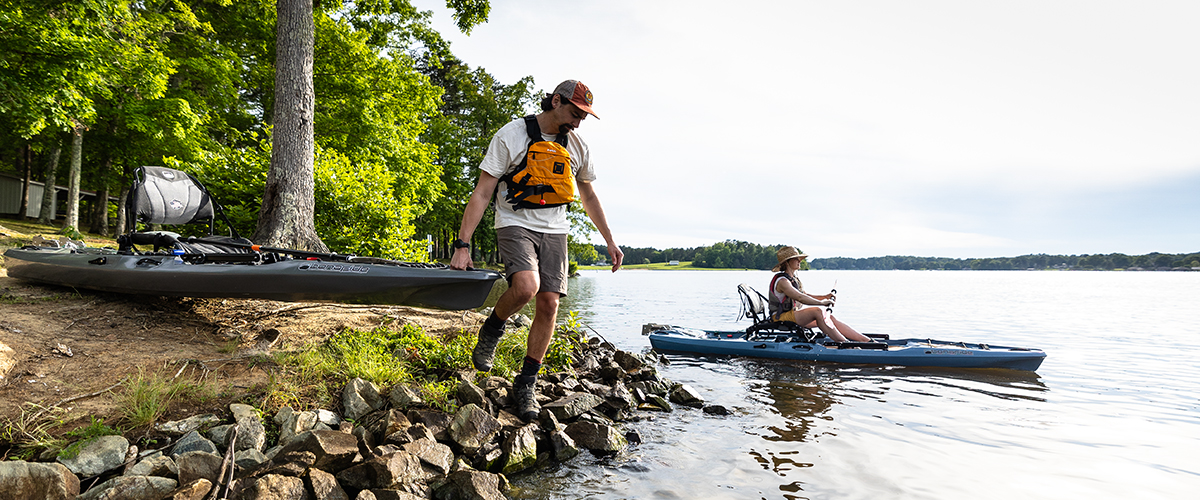
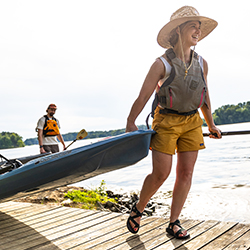
Having the right gear is an integral part of planning ahead and preparing for your adventure, and when you’re on the water, that means bringing a PFD (personal flotation device). Even if you’re a good swimmer, having a PFD on when you’re paddling a river or lake will help ensure your safety if you inadvertently get tossed from the boat, and minimize the likelihood that you’ll need a rescue. And if you’re enjoying a lake in a motorized boat, remember to bring a PFD for every person in the boat.
 Know your limits
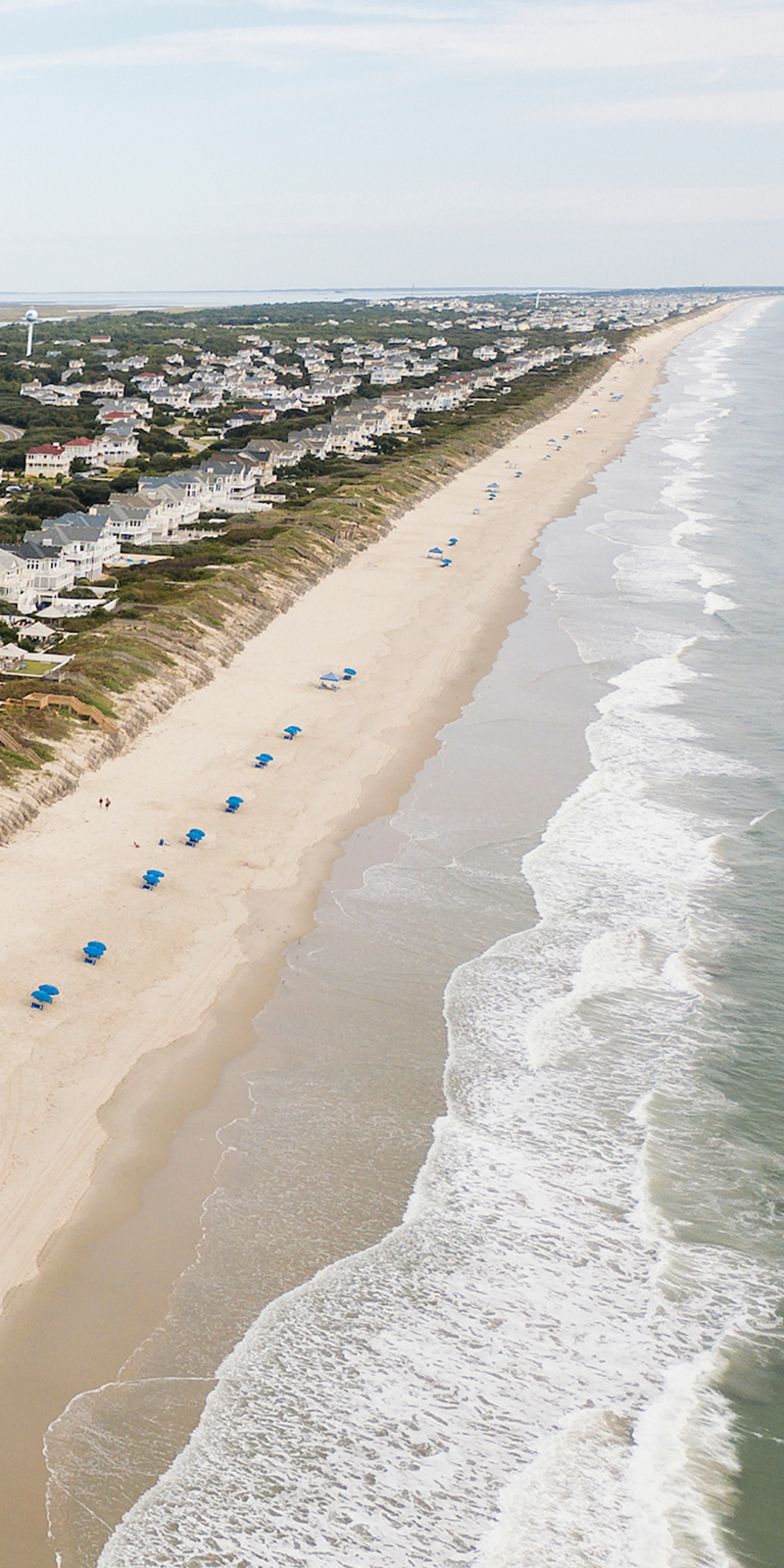
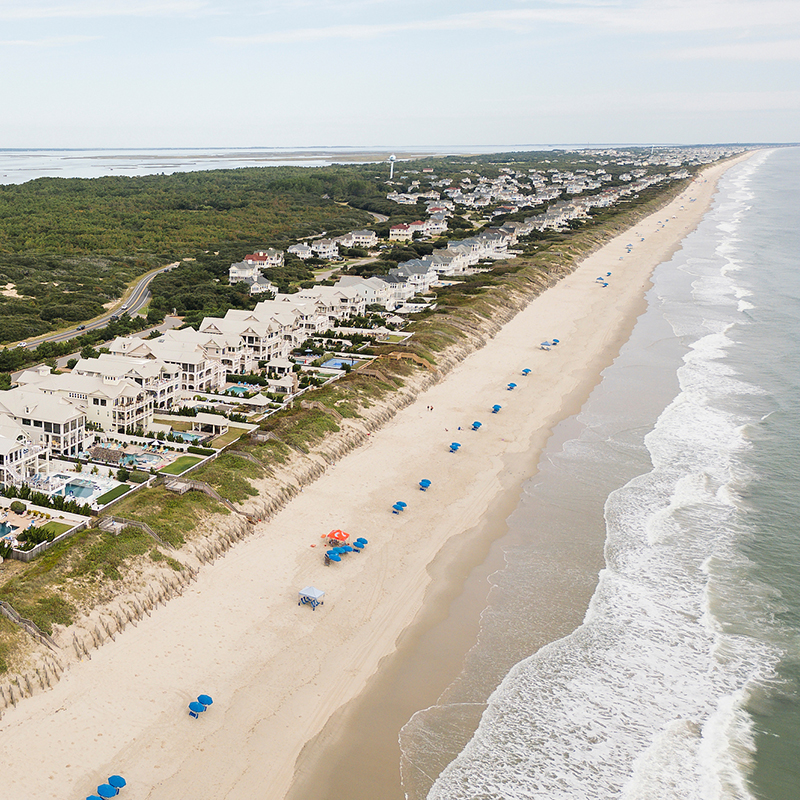
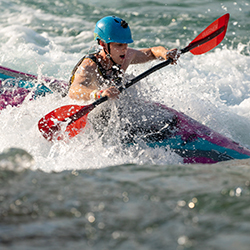
There are a variety of exhilarating rivers in NC, from mellow slow water cruises like the High Country’s New River to high adrenaline class V roller coasters like the Cheoah River in Graham County. Being honest about your paddling abilities is the first step to choosing the right adventure for you. Target a river that’s within your skill level, and if you’re unsure of your abilities on the water, go with a professional guide. The same principle applies to the ocean. When you’re at the beach, choose an area that’s staffed with lifeguards and stay within the sight line of that guard.
 Adhere to advisories
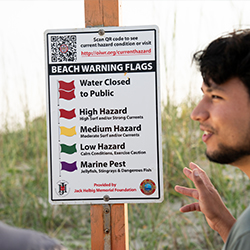
Lifeguards at NC’s beaches monitor the currents and conditions of the ocean and let beachgoers know about the conditions with different colored warning flags. Yellow flags indicate medium hazard conditions and red flags indicate a high hazard. Know the warning colors and adhere to the advisories so you can swim safely on the shore.
Knowing the conditions of lakes and rivers is also important when you’re looking to take a swim. The WaterKeepers Alliance operates a swim guide that lets you know if the river, lake or swimming hole you’re hoping to visit is safe for swimming.
If you’re swimming or boating in a lake, be sure to mind posted notices that separate boat traffic from swimming areas, and be mindful of no wake zones. Regardless of where you’re planning to take a dip, never swim alone.
 Remember the waterfalls are wild
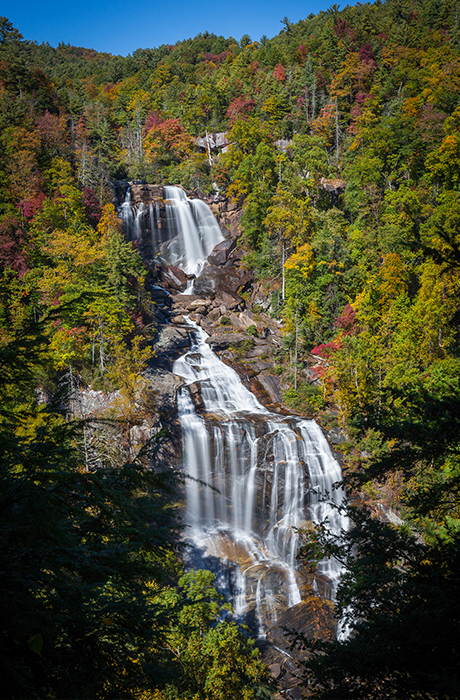
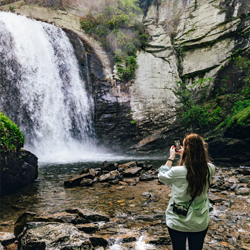
The waterfalls found throughout the mountains of NC are absolutely stunning. They’re also wild and unpredictable and best explored with safety in mind. Rocks in and around the water are slippery, so when you’re navigating the river bed, maintain three points of contact, with your hand acting as a brace to help keep you from slipping. Most importantly, never swim, play or take photos at the top of a waterfall. Get your scenic shots from below, where there’s no chance of slipping and falling over the edge. Also, when you’re traveling to and from the waterfall, remember to follow Outdoor NC Leave No Trace principles by staying on established trails, which is help keep you safe and protect the understory surrounding the trail.
Tip #1: Keep Wildlife Wild
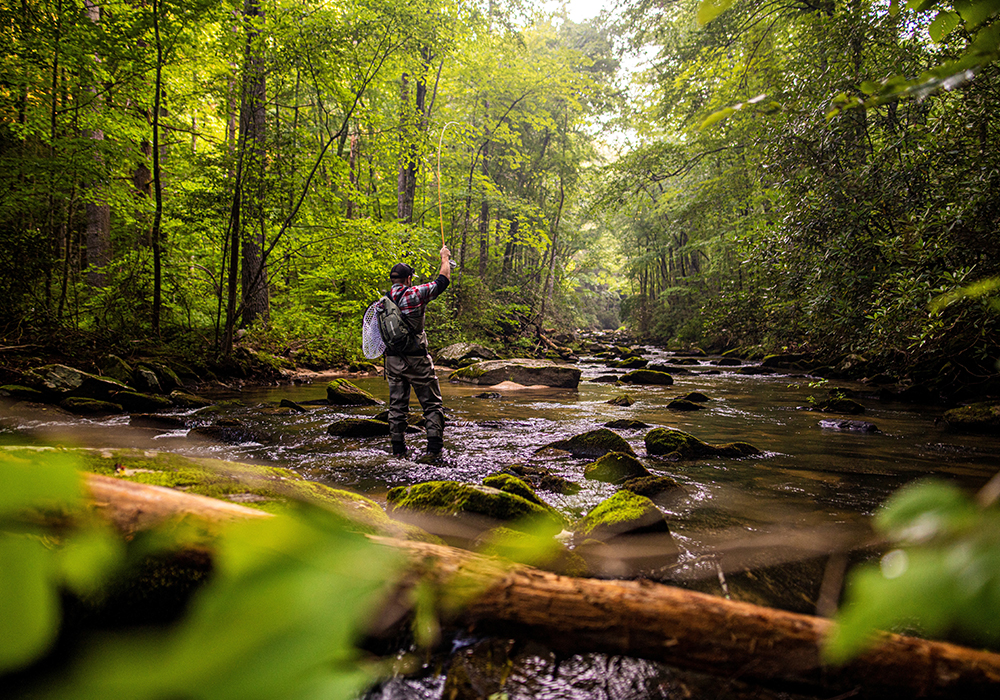
 Turtles, fish, beaver, otter, salamanders…NC’s waterways are packed with a variety of iconic species. Do your part to keep their habitat stress free by giving these animals space and keeping your noise levels low as you explore our rivers and lakes. Packing out all of your trash, even fruit peels, will also ensure the food systems of these local animals aren’t compromised. And preserve the habitats of smaller creatures like mussels, crawfish and salamanders by leaving rocks in place.
Tip #2: Plan Ahead & Prepare

Packing (and wearing) a PFD is a good start to planning ahead and preparing for your adventure, but it’s not the only step. Know water levels and the regulations of the body of water you’re planning to explore. Does the land manager allow fishing? Do they allow swimming? Know the put in and take out points if you’re going to paddle a water trail, and know the approach trail if you’re visiting a waterfall. Don’t forget to bring maps, food and extra layers in case conditions change. These small steps will help keep you safe, enhance your enjoyment, and ensure that your impact on the resource is minimal.
Tip #3: Be Considerate of Others

There are a variety of ways to enjoy a day at the beach, river or lake, and being considerate of others and remembering that we’re all out there trying to enjoy NC’s beauty will help ensure everyone has a good time. If you’re swimming in the ocean or a lake, be considerate of others by giving other swimmers space, and never swim where people are fishing. If you’re paddling one of NC’s awesome water trails, keep your conversations and music low so as not to disturb other boaters, and give them space so they can navigate the river safely at their own pace.