Evergreen Issue 20

Get to Know NC’s Creepy Crawlies

FEATURE

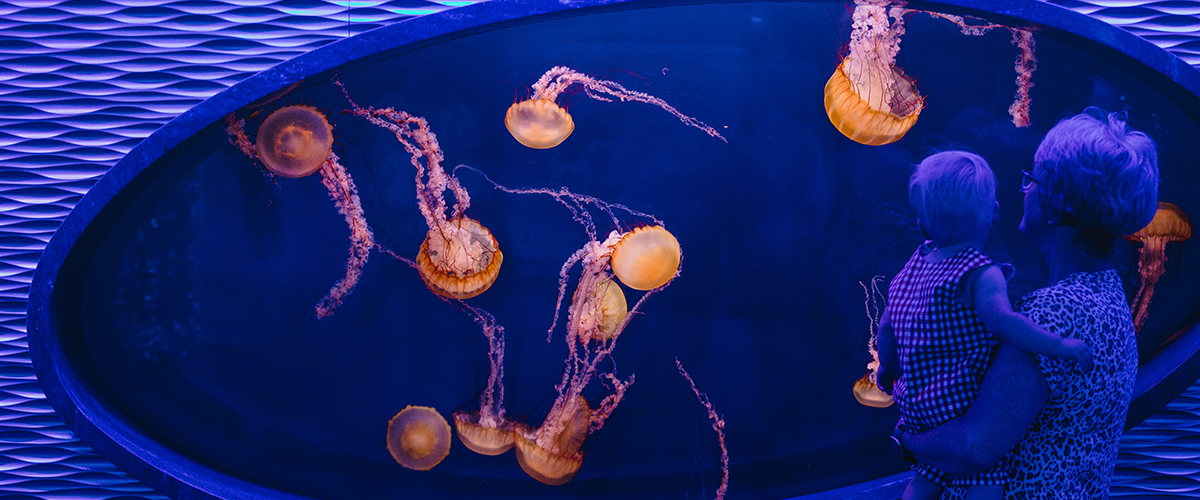
Moon jellyfish on display at the NC Aquarium on Roanoke Island in Manteo.

Fascinating Creatures Worth Preserving

North Carolina is known for its “big game” creatures like the black bear and massive elk that roam the mountains, but the state is also home to some fascinating creatures that fly under the radar for many of us. We’re talking about reptiles that play dead and sea creatures that are perfectly see-through. While these animals are easy to miss, they all play a role in making up a healthy ecosystem. Here are four fascinating wild animals that call NC home, and what you can do to help keep them safe this fall.

Here are four creepy creatures to explore

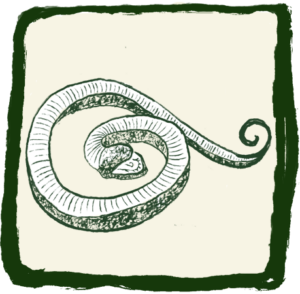
The hog nosed snake or "zombie snake".

Don’t worry, this snake isn’t actually a zombie. This is the name given to the eastern hognose snake, a non-venomous reptile that pretends to be dead when it feels threatened. If a predator approaches a zombie snake, it will roll onto its back, open its mouth and let its tongue hang out, as if it were already dead. When the threat is gone, the eastern hognose reverts back to its lively self. This unique reptile lives in sandy soil near rivers and ponds, and subsists almost entirely on amphibians, particularly toads, which helps control the populations of those species.

The star-nosed mole is an odd-looking creature that’s listed by the state as a species of special concern. These little, nocturnal animals live in wet, marshy habitats across NC and burrow underground like most moles. But this species has small, fleshy tentacles on its nose that it uses to feel its way through the dark. Fun fact: the star-nosed mole is known as the world’s fastest eater, consuming food in as little as 120 milliseconds. They’re also excellent swimmers and will hunt for aquatic insects and small fish. These little moles help aerate the soil of their local habitat by digging tunnels, which pushes oxygen into the roots of plants.

We all know and love the hellbender, the giant salamander that lives in clean, NC mountain streams, but there’s another aquatic species that deserves the spotlight. The bryozoan is a freshwater species that can take many shapes, from soggy blobs to coral-like structures. It might look like a single animal, but each bryozoan is made up of a colony of tiny animals that work together to filter water. The bryozoan attaches to underwater structures, like docks or logs, in ponds and streams across NC and is actually a sign of clean water, much like the better-known hellbender.
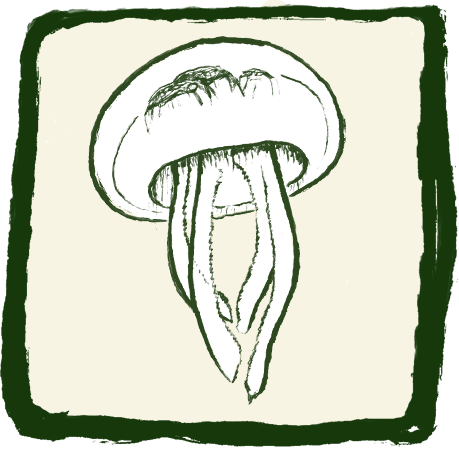
This beautiful species of jellyfish is found in the Atlantic Ocean off the coast of NC. The moon jellyfish is a clear, round species of jellyfish that eat plankton and communicate with each other through the release of chemicals in the water. The best part? They’re harmless to humans because their sting is so mild, most people can’t feel it. And the moon jellyfish plays a key role in the food chain, gobbling up zooplankton while providing a food source for larger predators like sea turtles.

Interested in keeping these odd, elusive creatures safe as you explore NC?

Here are three ways you can help keep all wildlife wild in NC this fall.

Tip #1: Stick to the Trails & Overnight Right

Our forests, marshes and beaches are home to creepy crawlies of all shapes and sizes, some of which are so shy you’ll probably never see them. But they’re there, living in the understory of our wild spaces, especially during the fall, when species like firefly larvae use the leaf cover to grow. One of the best ways to keep them wild is by staying on designated trails and taking breaks on durable surfaces, which will make sure all creatures have a chance to live healthy lives in their natural habitat.

Salamanders, snails, butterflies and crabs…all of these creatures are super cool, so let’s allow them to thrive by leaving them right where they belong. Instead of capturing and handling NC’s unique animals, leave them as you find them and take photos from a safe distance instead. Use your phone’s zoom capability, or that fancy macro lens on your digital camera, and capture a photo that will last forever while keeping a safe distance from these super-star species, so they don’t experience any unnecessary stress.

The majority of wild animals are curious, hungry creatures who expend most of their time and energy searching for food. You can do your part to ensure they’re getting natural calories by trashing all of your trash when you’re on an adventure this fall. That means the apple core and orange peels too. Those organic materials can take years to break down while attracting wildlife and disrupting their natural eating habits.

explore

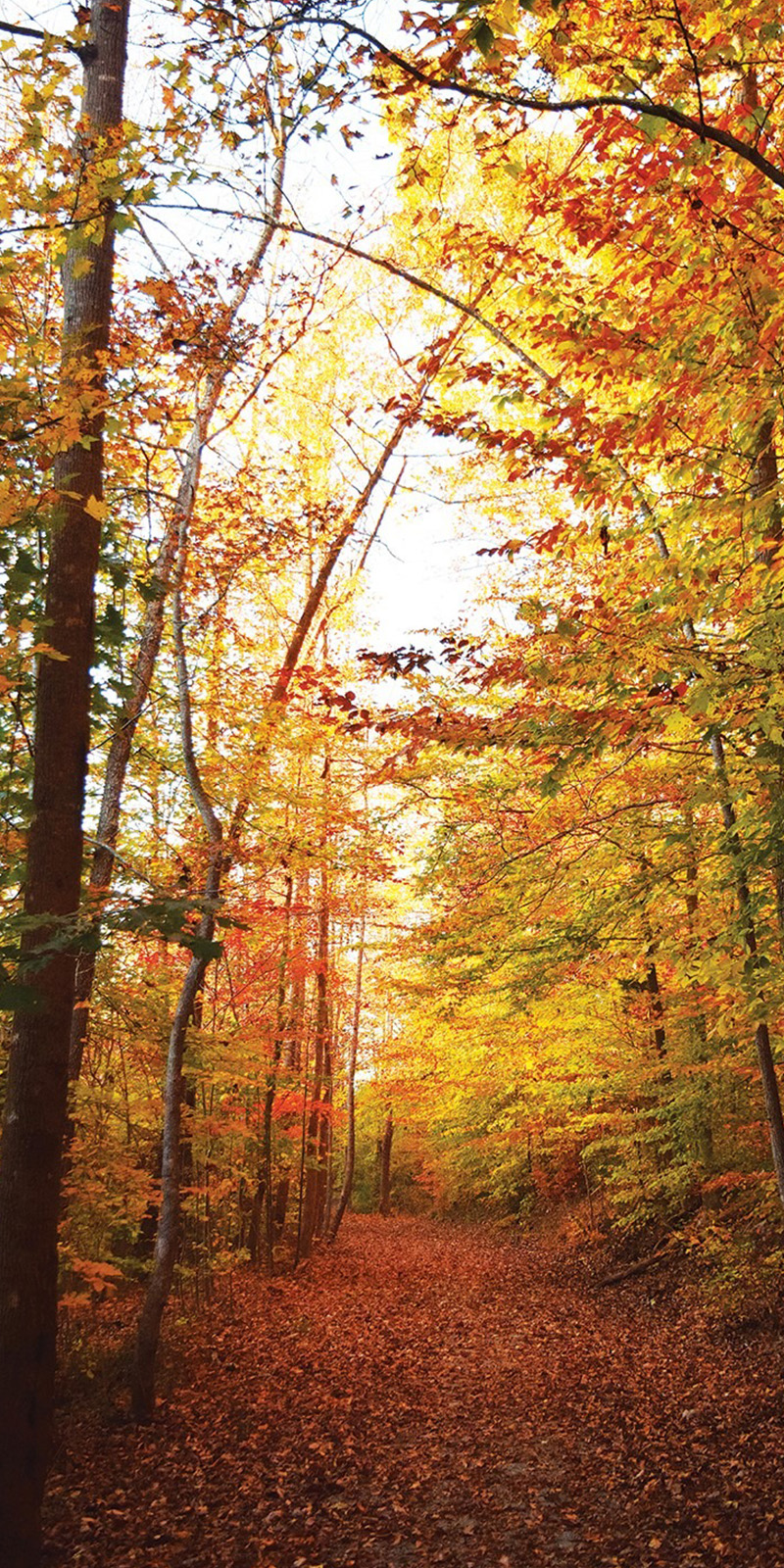
Explore the East Coast Greenway in NC

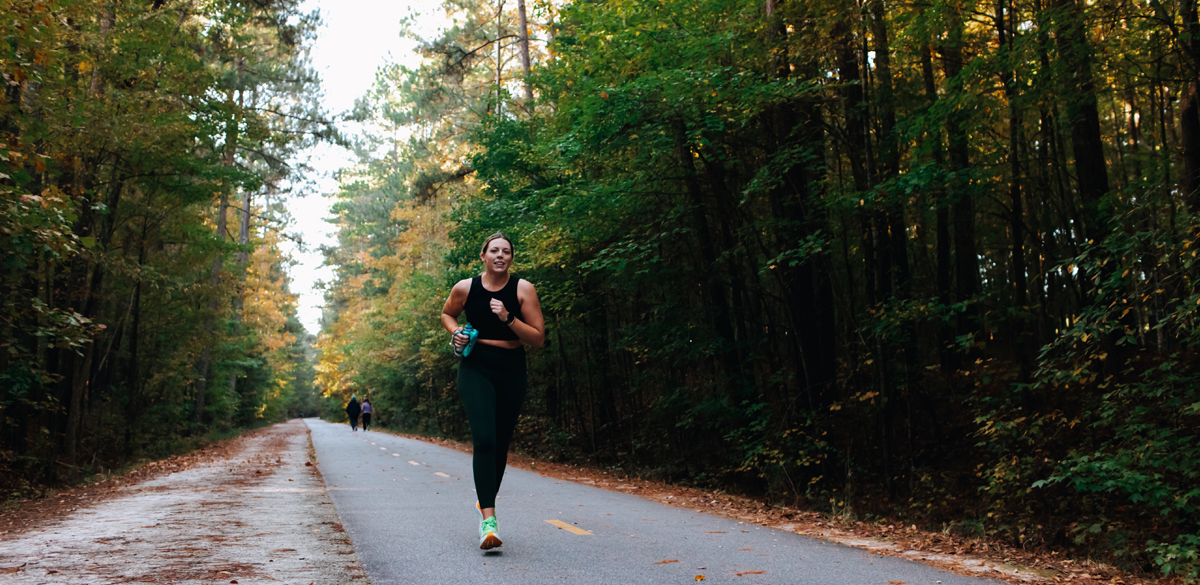
The East Coast Greenway is one of the most ambitious public trail projects in the country, running for 3,000 miles from Maine to Florida. Currently, 65% of the Greenway is complete or under development, while work continues to complete the route. And NC is at the center of the Greenway’s growth.  
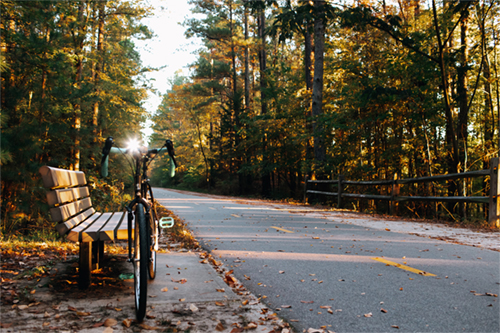
A popular multi-use trail network that connects Raleigh and Durham is soon-to-be named the East Coast Greenway’s first model corridor for biking, walking and running. The 45-mile Cross-Triangle Route showcases what the East Coast Greenway can be, linking vibrant communities with parks, cultural attractions and schools. 
Ready to explore the Greenway? Plan ahead and prepare for your people-powered adventure by visiting the East Coast Greenway Alliance’s itinerary for the Cross-Triangle Route. There you’ll find a first-person look at what to expect on the trail, as well as recommendations for fueling during your ride, run or walk.

spotlight

See One of Nature’s Great Migrations in Onslow County

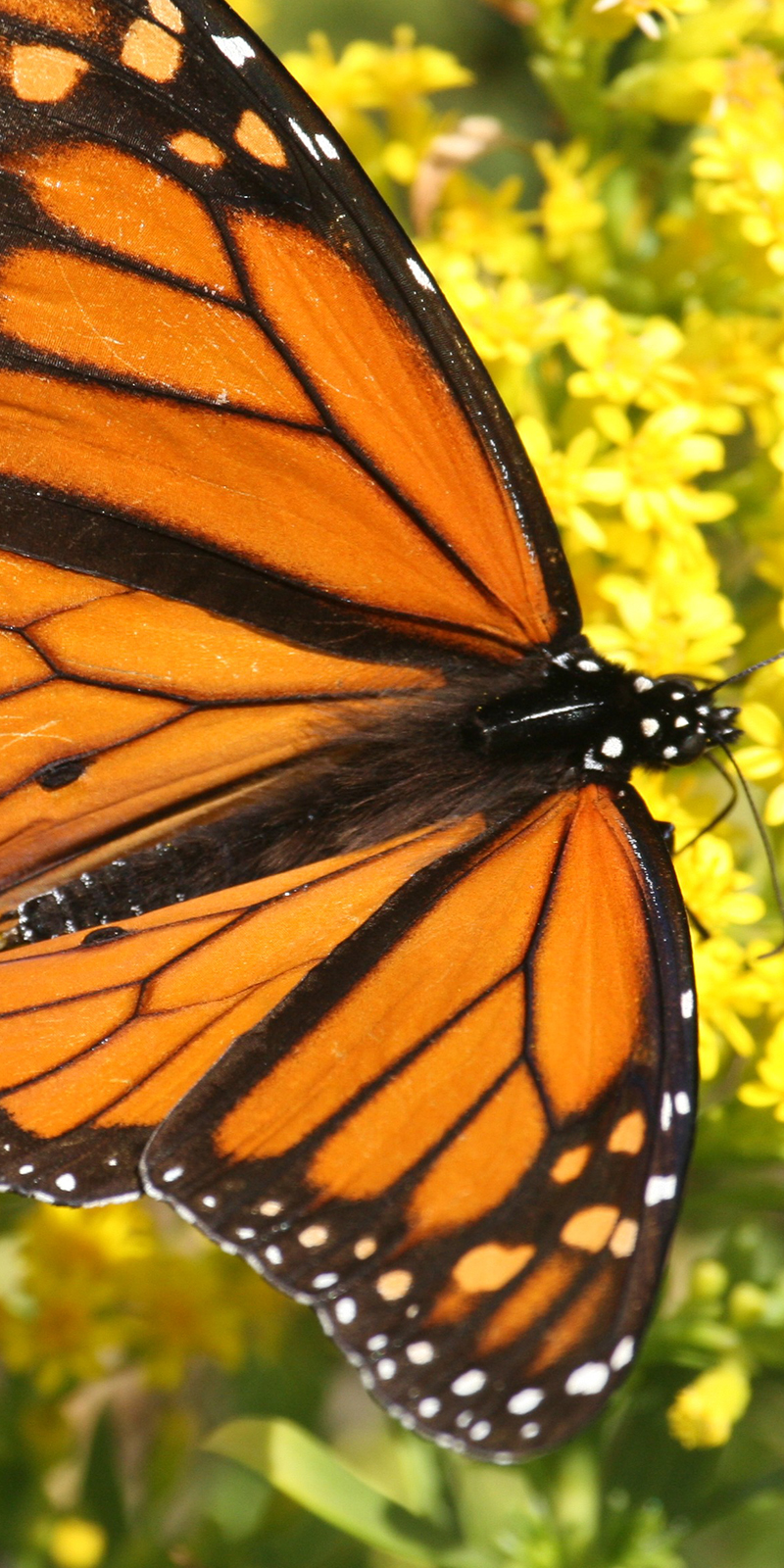
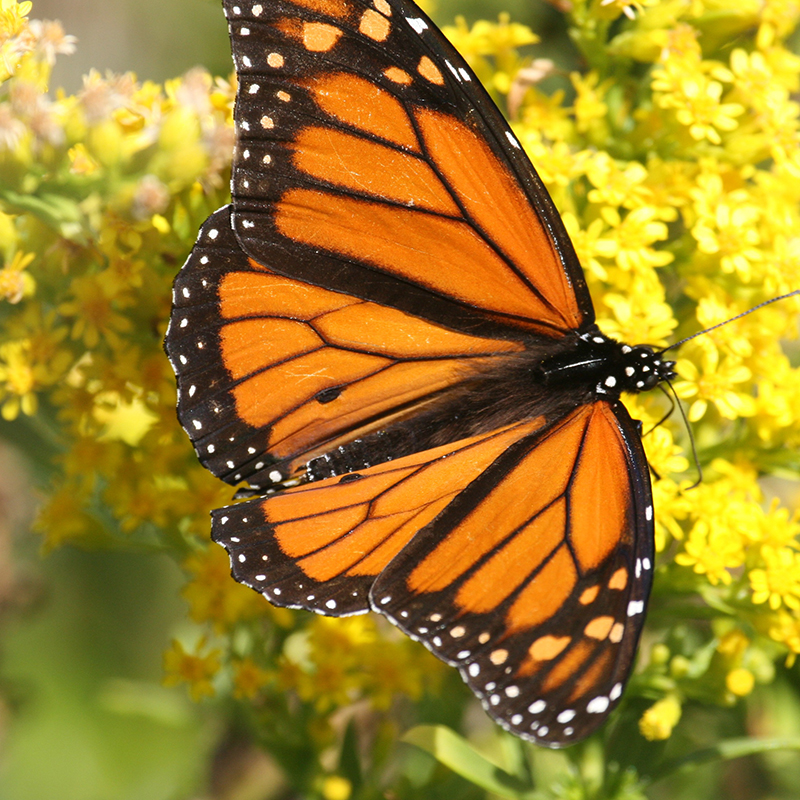
Many visitors flock to Hammocks Beach State Park for its waterways and hiking, but there’s one “visitor” that comes to the park as a rest stop on a very long journey. The monarch butterfly makes a stop in Onslow County during its fall migration to Mexico, when the species travels up to 3,000 miles in search of warmer temperatures. As part of the Monarch Watch project, the park tags butterflies with tiny, individual location tags. The park also participates in habitat preservation with butterfly gardens containing milkweed and other native plants. One of these gardens is located on the observation deck at the visitor center and is ADA accessible, so you can take a break after hiking or paddling and observe the traveling monarchs.

spotlight

Walk Through the Past and Future in Franklinville

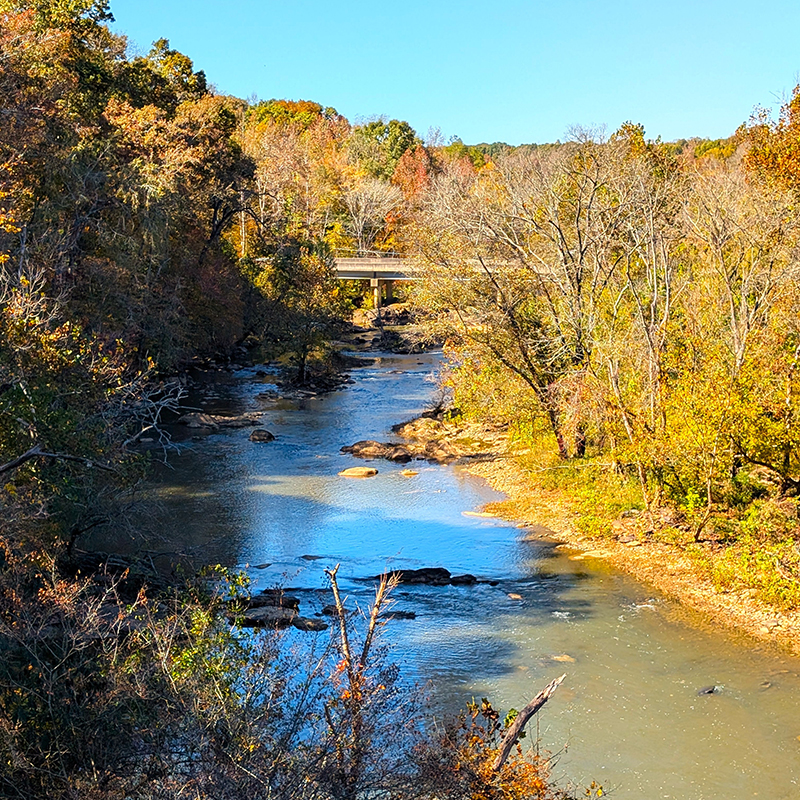
Set along the Deep River, Franklinville is a community where history and outdoor adventure continue to intersect. The Deep River State Trail follows the river through the community, offering visitors a chance to explore the landscape that helped shape Franklinville while enjoying the beauty of the Piedmont. Recent infrastructure improvements, including new bridges over Sandy Creek and Bush Creek, are helping enhance the Franklinville section of the trail through efforts supported by Healthy Communities Randolph County. These improvements are part of a larger vision to connect trail sections throughout the region into one continuous route along the Deep River.

spotlight

Cruise the Neuse River on e-Bikes

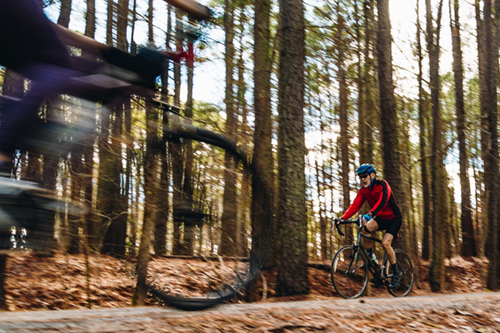
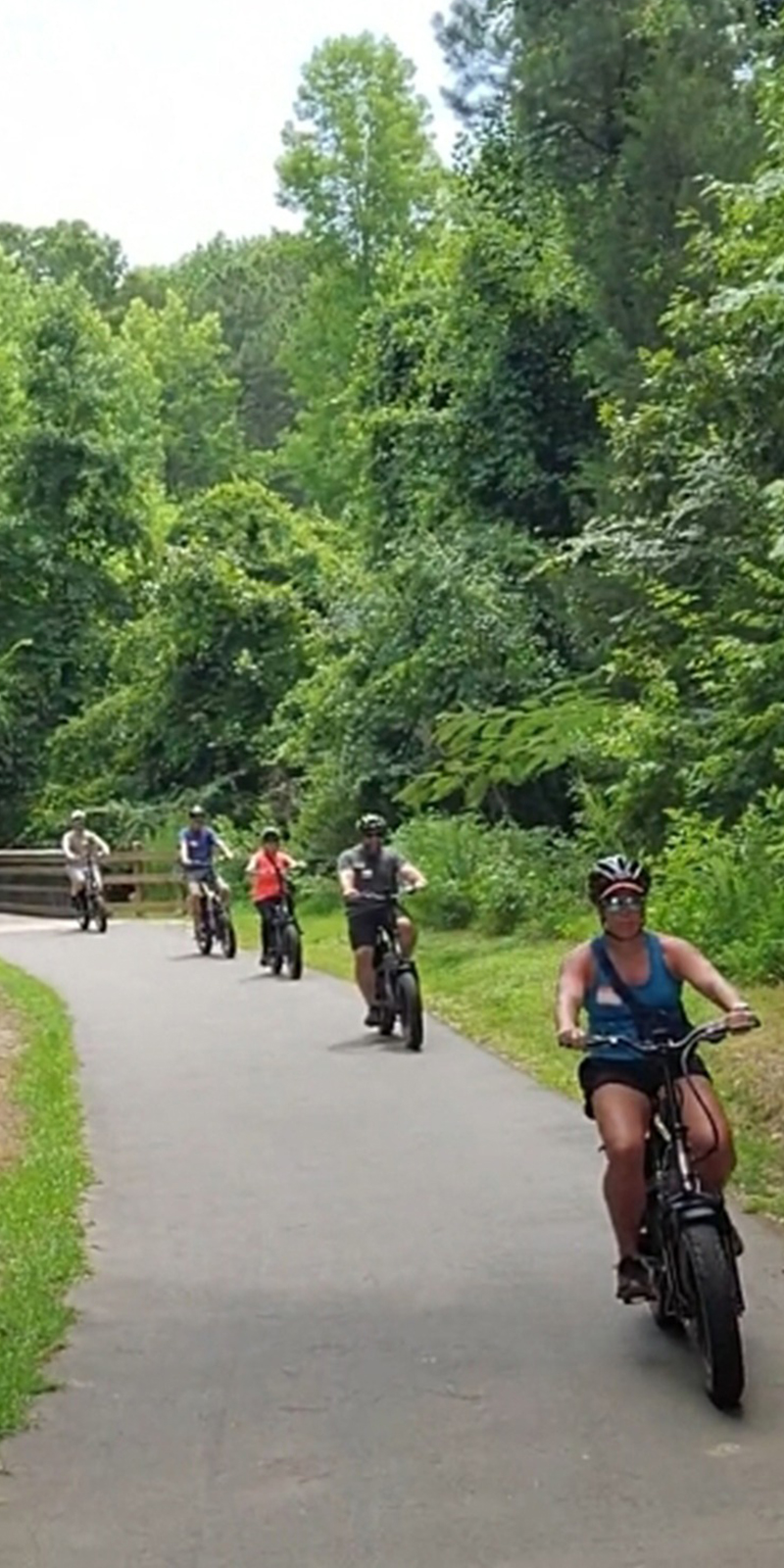
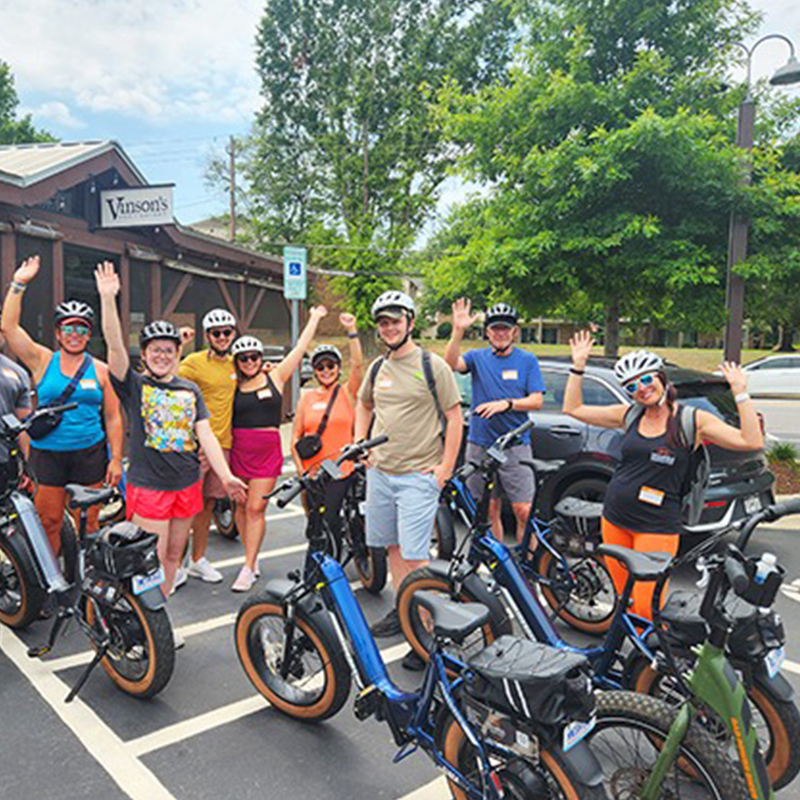
Explore Clayton on two wheels with Triangle Adventure’s guided e-bike tours, where outdoor recreation meets local history, scenic landscapes and culinary discovery. Tours offer a closer look at the area’s history, with opportunities to learn about the people, places and stories that shaped Johnston County, while showcasing the natural beauty of the Neuse River and surrounding greenway. With the extra boost of an e-bike, riders can comfortably cover more ground while enjoying the fresh air and landscapes that make this part of North Carolina unique.

learn & Grow

Kullen Bell, Champion of the Great Coharie River

Kullen Bell is a proud citizen of the Coharie Tribe and leads kayak tours on the Great Coharie River in Sampson County for Coharie River Tours. Stewardship is an important part of those tours because the rivers, wetlands and forests are deeply connected to the Coharie’s history, culture and future.

“It’s important to remember that you are a guest in a living ecosystem and you have the opportunity to leave every place better than you found it,” Bell says.

Bell integrates Outdoor NC Leave No Trace Principles into every guiding experience on the blackwater Great Coharie River by leading through example, and educating participants about their role in preserving our natural resources. He puts an emphasis on disposing of trash and minimizing impacts on wildlife, and Coharie River Tours even organizes cleanups with groups on the river.

You’re invited to join the outdoor nc movement

Join the movement to preserve and protect North Carolina’s beloved outdoor spaces! Together we can preserve them for generations to come. Click to learn more.